Breathing comfortably in a KN95 should not require sacrificing protection. This 2026 guide explores how to breathe easier while wearing a kn95 during commuting, travel, work, and crowded indoor activities. A good mask should feel secure, not suffocating. It should seal around the nose and cheeks without pressing painfully against the skin.
Dr. Raina MacIntyre, an epidemiologist and mask researcher, has emphasized, “A mask should be comfortable enough to wear correctly.” That principle matters in real life. A stiff nose wire can leave a small gap. A loose strap can tug behind the ears. Even a high-quality KN95 may feel difficult when the layers collapse against the mouth during exercise or humid weather. Fit comes first, but fit is personal.
This guide will examine practical adjustments, including shaping the nose clip, checking for leaks, and choosing a breathable design from a reputable manufacturer. It will also explain when discomfort may signal an unsuitable size or a medical concern. Do not ignore persistent chest tightness, dizziness, or unusual shortness of breath. Remove yourself from danger and seek appropriate medical advice.
Small changes can help. Try it indoors first. Walk slowly. Notice pressure points. Test speech, movement, and airflow before wearing it for hours. Still, no suggestion works for everyone. Face shape, facial hair, heat, and anxiety can change the experience. The goal is not to promise effortless breathing. It is to find a realistic balance between filtration, comfort, and consistent wear.
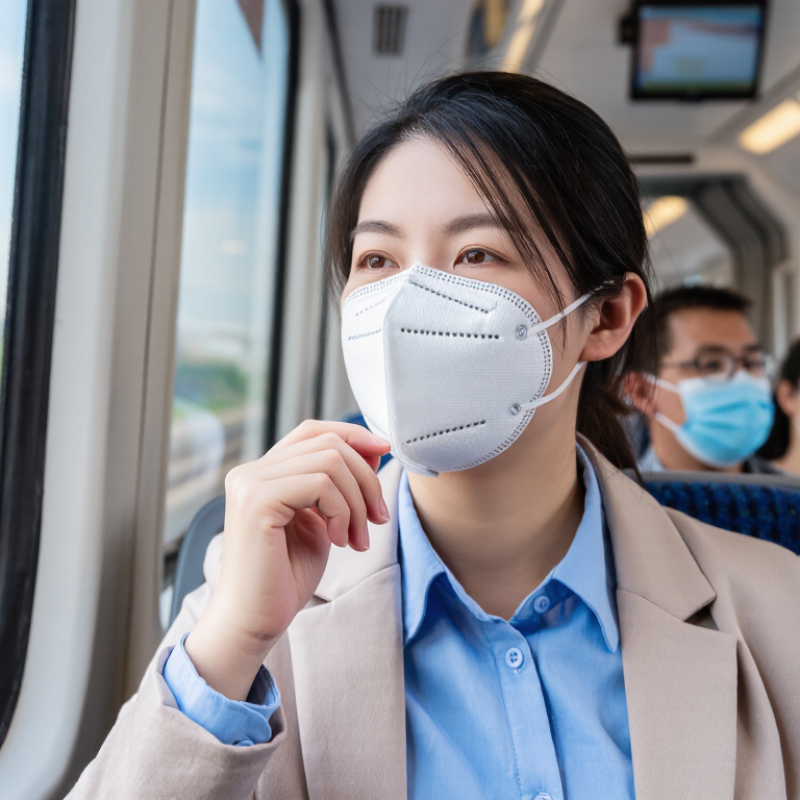
A KN95 can make breathing feel easier when it combines strong filtration with low breathing resistance. In 2026, effective protection still depends on fit, material quality, and verified testing. Look for clear standard markings and test documentation from a qualified laboratory. A mask that filters well but feels painfully restrictive may be worn incorrectly or may not suit your face.
Fit matters immediately. Press the nose clip firmly, then check for air leaks around your cheeks and chin. Your glasses should not fog heavily during normal breathing. Facial hair can weaken the seal. The mask should feel close, not crushed against your mouth. I have found that softer inner layers reduce irritation during long commutes, although comfort claims are difficult to compare fairly.
Breathing resistance can increase when the mask becomes damp, dusty, or visibly damaged. Carry a clean spare in a breathable storage pouch. Do not wash a disposable respirator unless its instructions specifically allow it. Replace it when breathing becomes noticeably harder. Short breaks in clean, safe areas may help, but never remove it where exposure remains possible. People with heart or lung conditions should ask a healthcare professional before extended use. Even careful advice has limits. A good mask cannot fix poor ventilation, a loose fit, or counterfeit test claims.
Choosing the right KN95 begins with protection, but comfort decides whether you keep wearing it. The U.S. CDC states that well-fitting respirators can filter at least 95% of airborne particles. However, a KN95 follows China’s GB 2626 standard and is not automatically NIOSH-approved. Check the packaging for the standard, model information, manufacturer details, and clear instructions.
Fit comes first. A respirator should seal around your nose, cheeks, and chin without painful pressure. The CDC recommends checking for leaks whenever you put it on. Breathe in gently. The mask should pull slightly inward. If air escapes near your eyes, adjust the nose clip or try another size. Facial hair, glasses, and loose ear loops can weaken the seal.
Comfort is practical protection. Choose soft inner material, stable straps, and enough space for your mouth. Avoid masks that collapse against your lips while speaking. NIOSH testing uses demanding aerosol conditions, including a flow rate of 85 liters per minute, so real-world breathing may feel easier than laboratory testing. Still, individual comfort varies. I sometimes choose a slightly roomier model, but that choice is imperfect if the seal suffers. Replace a damp, damaged, or visibly dirty respirator. Do not wash disposable models, because cleaning can affect filtration and fit.
A KN95 works best when it seals against your face. The CDC lists KN95 respirators among international facepieces designed to filter at least 95% of airborne particles under standard test conditions. That number depends on fit, not only the filter. Wash your hands, inspect the mask, and hold it over your nose and chin. Secure the straps without crossing them. Press the nosepiece firmly along both sides of your nose. Check for gaps near your cheeks, jaw, and eyes. Glasses that fog may signal leakage, but fogging is not a perfect test.
Tips: Breathe normally and avoid touching the front. Perform a user seal check each time. Cover the mask edges with your hands and inhale gently. The mask should pull inward slightly. Exhale gently and feel for escaping air. Facial hair under the sealing edge can prevent a reliable fit. OSHA’s respiratory protection standard, 29 CFR 1910.134, requires fit testing before initial workplace use and at least annually when respirator use is mandatory.
If breathing feels difficult, stop and move to cleaner air when possible. Do not loosen the seal merely for comfort. Replace a damp, damaged, or visibly dirty respirator. KN95 markings and quality can vary, so check the packaging and applicable certification information. I sometimes adjust the nosepiece twice before the seal feels stable. That small delay matters. Yet no home check equals professional fit testing. A careful fit is helpful, not magical.
How to Breathe More Comfortably While Wearing a KN95
A tight KN95 can feel warm, especially during stairs, commuting, or humid weather. Comfort begins with the fit. Choose a size that seals without pressing painfully against your nose or cheeks. A mask that leaks may feel easier to breathe through, but it offers less reliable protection. The U.S. CDC notes that international respirators, including KN95 models, can vary in quality and performance. Check for clear markings, intact straps, and a stable nose seal. Do not cut, stretch, or add valves to the mask.
Small adjustments help. Shape the nosepiece with both hands, then check for air near your eyes. Keep facial hair away from the sealing area when possible. OSHA requires fit testing before using tight-fitting respirators at work and at least annually afterward. The requirement matters because comfort alone cannot confirm a proper seal. NIOSH lists a maximum inhalation resistance of 35 mm water column for approved filtering facepiece respirators under its test conditions. A KN95 follows a different standard, so the figures are not directly interchangeable. Still, airflow resistance remains a practical concern.
Take breaks in a clean, well-ventilated area when necessary. Replace a damp, dirty, damaged, or difficult-to-breathe-through mask. I sometimes adjust the straps too often, which can create new leaks. That habit needs reconsideration. A lighter feeling is not always better protection. Sources: CDC, “Types of Masks and Respirators”; OSHA, 29 CFR 1910.134; NIOSH, 42 CFR Part 84.
2026 Best KN95: How to Breathe Easier While Wearing One?
A KN95 feels easier to wear when it seals gently around your nose and cheeks. Press the nose clip firmly, then check for leaks while breathing normally. Facial hair, glasses, and loose straps can weaken the seal. If your glasses fog, adjust the upper edge before tightening everything. Do not wash or spray the mask unless its instructions specifically allow it. Moisture can damage the filter. A mask that smells unusual, feels damp, tears, or becomes hard to breathe through should be replaced. It is easy to assume discomfort is normal. That assumption can be wrong.
Tips: Wash your hands before touching the mask. Remove it by the straps, not the front panel. Store a reusable-looking KN95 in a clean, dry paper bag between uses. Keep it away from pockets, food, makeup, and direct sunlight. Do not share it. Marking the storage date may help, but it is not a perfect system. Replace the mask sooner after heavy use, visible soil, or poor fit. Keep several spare masks in a sealed, clean container for travel, but let damp masks dry safely before storage. Never force yourself to continue wearing one when breathing becomes difficult. Step into a safe, well-ventilated area and reassess the fit. Follow the product’s instructions and current public-health guidance, because storage and replacement advice can differ.
| Topic | Recommended Practice | What to Avoid | When to Take Action |
|---|---|---|---|
| Choosing a KN95 | Select a mask that covers the nose, mouth, and chin, has intact straps, and fits closely without visible gaps. Look for clear product information and a filtration claim of at least 95% under the applicable performance standard. | Do not rely on a loose fit, damaged packaging, missing markings, or a mask that slips during normal movement. | Check the fit before entering a crowded, poorly ventilated, or potentially contaminated area. |
| Improving Breathing Comfort | Adjust the nosepiece and straps so the mask sits securely but does not create unnecessary pressure. Use a clean, dry mask and take breaks in a safe, well-ventilated place when appropriate. | Do not cut holes, add valves, stretch the mask, or wear another mask underneath if it causes gaps or makes breathing more difficult. | Remove the mask in a safe area if breathing becomes difficult, dizziness occurs, or you feel unwell. Seek medical advice for persistent breathing problems. |
| Checking the Seal | Place the mask over the face, secure the straps, and gently check for air leakage around the nose, cheeks, and chin while inhaling and exhaling. | Do not continue wearing it if air flows around the edges, the nosepiece cannot be adjusted, or facial hair prevents a close seal. | Repeat the seal check every time the mask is put on or repositioned. |
| Cleaning | KN95 masks are generally designed as disposable filtering facepiece respirators. Keep them clean and dry, and follow the applicable instructions supplied with the mask. | Do not wash, soak, bleach, spray with disinfectant, microwave, steam, or place the mask in an oven. Moisture and chemicals can damage filtration and fit. | Discard the mask if it becomes wet, visibly dirty, contaminated, or difficult to breathe through. |
| Short-Term Reuse | If reuse is permitted for the specific mask and situation, handle it only by the straps and allow it to dry completely between uses. Use a rotation of several masks so each one has time to dry. | Do not share a mask, touch the filtering surface, or reuse it after use in a high-contamination setting unless an approved procedure specifically allows it. | Stop reusing it when the fit, cleanliness, structure, or breathing resistance changes. |
| Storage | Store unused masks in their original packaging or in a clean, breathable paper bag. Keep them in a cool, dry place away from sunlight, heat, moisture, dust, and chemicals. | Do not store a damp mask in a sealed plastic bag, pocket, handbag, or vehicle where it can be crushed or exposed to heat. | Replace the mask if storage causes deformation, moisture, odor, or visible contamination. |
| Replacement | Replace it according to the manufacturer’s instructions and whenever its performance or fit may be compromised. There is no universal safe number of uses for every KN95. | Do not keep using a mask simply because it has not reached a particular number of days or wears. | Replace immediately if the mask is torn, stretched, misshapen, wet, dirty, contaminated, loose, or harder to breathe through. |
| Safe Removal | Move to a safe area, clean your hands, avoid touching the front, and remove the mask using the ear loops or head straps. Clean your hands again after removal. | Do not pull the mask down under the chin and then put it back over the face. Do not touch the filtering surface. | Remove and discard it carefully if it becomes contaminated or if the straps fail. |
| Disposal | Place a used disposable mask in a waste bin. Clean your hands after handling it. | Do not flush it, leave it in public areas, or reuse it after disposal. | Dispose of it promptly when it is damaged, soiled, wet, contaminated, or no longer seals properly. |
| Facial Hair and Accessories | Keep the sealing area free of hair and adjust glasses, hats, or other equipment so they do not displace the mask. | Do not assume a tight-feeling mask provides a seal if facial hair or accessories create gaps. | Choose an appropriately fitted option or seek a professional fit assessment when respiratory protection is required. |
Important: A KN95 may reduce exposure to airborne particles when it fits correctly, but it does not supply oxygen and should not be used in oxygen-deficient or immediately dangerous environments. Follow local public-health and workplace requirements.
Check the packaging for the applicable standard, model information, manufacturer details, and clear instructions. Avoid unclear labeling.
A high filtration rating cannot help much if air leaks around your cheeks, nose, or chin. Fit matters.
It should seal firmly without painful pressure. The material should leave space for your mouth while speaking.
Cover the edges with your hands and inhale gently. The respirator should pull slightly inward. Exhale and feel for leaks.
Air near your eyes, loose ear loops, or frequent glasses fogging may suggest leakage. Fogging alone is not conclusive.
Facial hair under the sealing edge can weaken the seal. Glasses may interfere with the nose area and reveal possible leaks.
Wash your hands, inspect the respirator, and cover your nose and chin. Secure the straps without crossing them. Shape the nosepiece carefully.
Move to cleaner air when possible and reassess the fit. Do not loosen the seal only for comfort. Something may be wrong.
Replace it when damp, damaged, or visibly dirty. Do not wash disposable models, because cleaning may affect filtration and fit.
No. It is useful but limited. Required workplace use may need professional fit testing, often before use and regularly afterward.
A well-designed KN95 can make breathing feel easier by combining efficient filtration with a breathable inner layer, a secure nose seal, and flexible straps that do not create excessive pressure. To choose the right one, look for a comfortable shape, a stable nose clip, clear quality information, and a size that fits your face without gaps. Proper use matters: wash your hands, position the mask over your nose and mouth, secure the straps, and check for leaks around the edges before entering a crowded or dusty environment.
Learning how to breathe easier while wearing a kn95 starts with staying calm and breathing steadily through the mask rather than adjusting it repeatedly. If it feels uncomfortable, move to a safe area and check the fit. Keep the mask dry, store it in a clean, breathable container, and never share it. Replace it when it becomes damp, dirty, damaged, difficult to breathe through, or loses its shape. Remove it by the straps and wash your hands afterward.

Tobe Health