Masks are a critical tool for public health, especially during global health crises. However, many people wonder, "why do some masks have valves?" These valves are designed to make breathing easier, allowing exhaled air to escape while filtering inhaled air. This design can be beneficial for some users, especially those with respiratory conditions.
Yet, the safety of valve masks has been a topic of debate. Experts caution that masks with valves may not be appropriate in all situations. For example, they might allow respiratory droplets to escape into the air. This raises concerns about protecting others in crowded or enclosed spaces.
As we navigate mask choices, understanding their design and implications is crucial. Individuals need to reflect on their specific circumstances. Are we prioritizing our comfort over the safety of those around us? Careful consideration of the function and effectiveness of mask valves can inform better decisions for personal and community health.
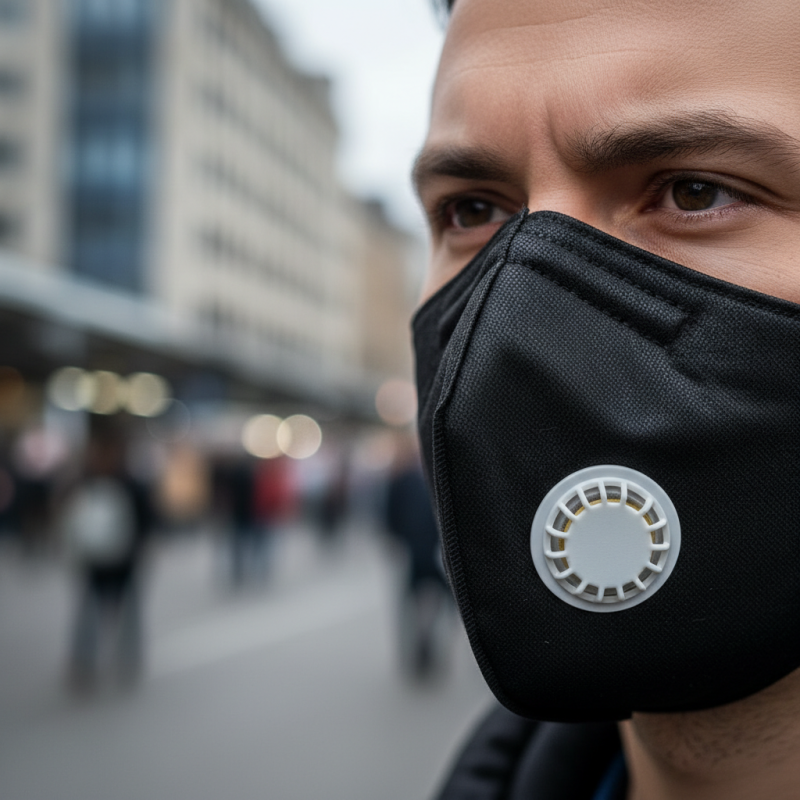
Masks with valves provide certain advantages. They enhance comfort by allowing easier exhalation. This design can reduce heat buildup inside the mask. However, this feature may limit their effectiveness in stopping respiratory droplets. The World Health Organization states that masks should block both inhalation and exhalation. Masks without valves are designed to contain respiratory droplets, making them more effective for public health.
Certain studies show a significant difference in protection levels. Research published in the journal "Health Affairs" demonstrates that unvalved masks have better filtration efficacy. They capture approximately 80-90% of airborne particles. In contrast, valved masks may allow some particles to escape. This raises concerns about their use in crowded or enclosed spaces.
Individuals should evaluate their specific needs when choosing a mask. In some situations, such as working in a hot environment, a valved mask may help with comfort. But this should be balanced with the risk of spreading infections. Always consider the setting and the people around you. A mask is only effective if it is the right type for the situation.
| Mask Type | Description | Advantages | Disadvantages | Recommended Use |
|---|---|---|---|---|
| Masks with Valves | Masks equipped with one-way exhalation valves. | Easier to breathe, reduces heat buildup inside the mask. | Does not filter exhaled air, may not protect others if the wearer is infected. | Ideal for personal use in non-crowded settings. |
| Masks without Valves | Standard masks without any exhalation valves. | Filters both inhaled and exhaled air, protecting the wearer and others. | Can be harder to breathe in, may retain more heat and moisture. | Recommended for crowded or high-risk environments. |
| Surgical Masks | Loose-fitting masks that create a barrier between the mouth/nose and the environment. | Effective at blocking large droplets and splashes. | Does not provide a tight seal around the face. | Used primarily in healthcare settings. |
| N95 Respirators | Tight-fitting masks that filter at least 95% of airborne particles. | High level of filtration, a better fit than standard masks. | Can be difficult to breathe in; may require fit testing. | Recommended for high-risk environments and healthcare workers. |
: Masks with valves enhance comfort by allowing easier exhalation. They reduce heat buildup inside the mask during use.
No, valved masks may limit effectiveness as they can allow some particles to escape.
Masks without valves effectively contain respiratory droplets and significantly reduce transmission risks.
The CDC warns that masks with valves allow unfiltered air, which can spread infectious droplets.
Masks without valves capture about 80-90% of airborne particles, offering better protection.
No, comfort shouldn't overshadow safety. Valved masks may compromise safety for those around you.
Evaluate your environment and the people around you to choose the right mask type effectively.
Choose masks that fit snugly without valves and cover both the nose and mouth completely.
Look for materials that meet filtration standards, like N95 or equivalents for better protection.
Regulatory advice changes as new research emerges, making it essential to follow current public health practices.
Masks with valves have become a topic of discussion in recent years, prompting the question: "why do some masks have valves?" Valves in respiratory masks are designed to allow for easier exhalation, making it more comfortable for the wearer by reducing heat and moisture buildup inside the mask. However, while they serve a functional purpose, the health implications of using masks with valves are complex. They can filter incoming air effectively but may not provide the same level of protection against exhaled particles, raising concerns about their safety during public health crises.
Regulatory guidelines from health authorities suggest that masks with valves might not be suitable for environments where controlling the spread of respiratory droplets is crucial. Therefore, while these masks can be useful in certain applications, understanding when and where to use them is essential to ensure public safety. In summary, while masks with valves offer comfort, it is important to consider their limitations and effectiveness in protecting broader community health.

 Tobe Health