Wearing a mask has become a common practice to ensure safety. However, this can lead to a frustrating problem: foggy glasses. When warm breath escapes from the mask, it can condense on the lenses, obstructing vision. Understanding how to prevent glasses from fogging with a mask is essential for clear sight and comfort.
Practical solutions exist. For example, adjusting the mask's fit can minimize air escaping upward. Tightly securing the mask around the nose is crucial. Anti-fog sprays and wipes are helpful options too. These products create a barrier, reducing condensation effectively. Personal experience shows that these small changes can make a big difference.
However, even with these methods, complete fog prevention may not be achievable. It requires trial and error to find what works best for each individual. Engaging with different strategies helps empower wearers and boosts confidence in their daily activities. Ultimately, the goal is clearer vision without compromising safety.
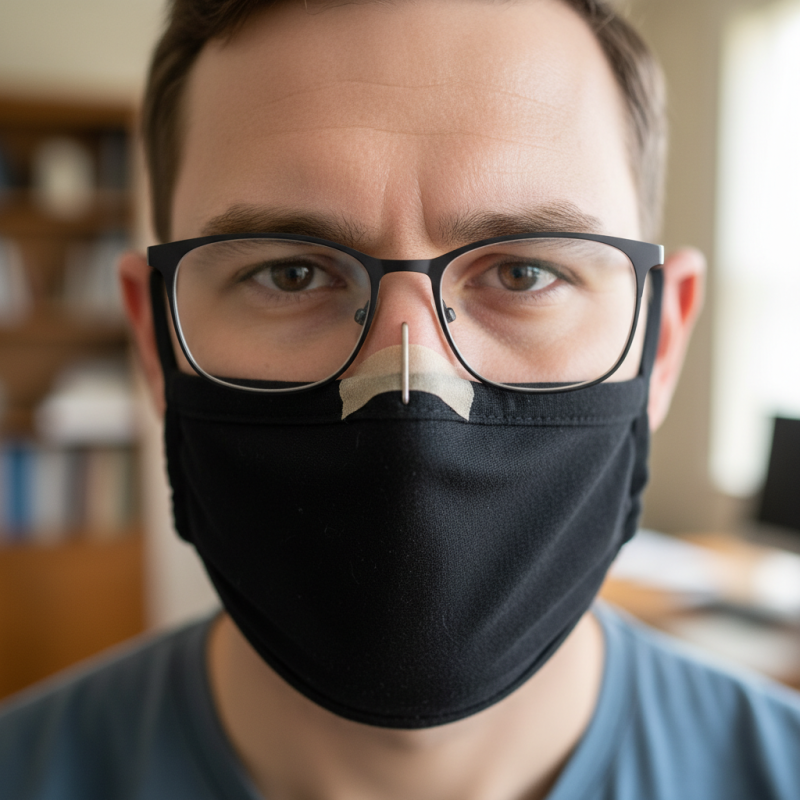
Understanding the Causes of Glasses Fogging While Wearing a Mask
Wearing a mask can lead to frustrating fogging of glasses. This common issue arises mainly from warm, moist air escaping from the mask. When this air hits the cooler lenses of your glasses, condensation forms. A study from the American Academy of Ophthalmology found that over 70% of glasses wearers experience fogging while masked. The moisture and temperature difference can be significant, especially in colder environments.
To reduce fogging, understanding the causes is crucial. Proper mask fit is a significant factor. Masks that leave gaps allow moist air to escape upwards. The Center for Disease Control and Prevention emphasizes that a snug fit over the nose can minimize this effect. Additionally, using anti-fogging sprays or wipes may help, but their effectiveness varies. A 2021 report indicated that these products often provide temporary relief, lasting anywhere from a few minutes to a couple of hours.
The comfort of wearing glasses while masked is essential. Not every solution works for everyone, as some may find sprays irritating. Experimentation is key. Reflect on your daily routine and environment. Adjusting your mask, exploring different anti-fog methods, or even considering contact lenses for certain situations may improve your experience significantly.
Choosing the Right Mask for Reduced Fogging on Glasses
Wearing a mask has become essential, but it can lead to foggy glasses. Choosing the right mask can significantly reduce this problem. A mask that fits snugly around the nose is crucial. It helps keep warm air from escaping upward.
Opt for masks with adjustable nose wires. A close fit minimizes air leakage. Materials like cotton are breathable and usually fit better than synthetic fabrics. Masks with filters can offer better sealing, reducing fogging.
Here are some tips to prevent fogging. Try to wear your glasses over your mask. This helps trap the warm air and keeps it from reaching the lenses. You can also apply anti-fog sprays specifically designed for eyewear. They create a protective layer on the lenses. If all else fails, consider using shaving cream as a DIY solution.
Finding the right mask takes some trial and error. Each person's face shape is unique. Adjustments may be necessary to achieve the perfect fit. It's worth experimenting to improve your comfort and vision clarity while wearing a mask.
Adjusting Your Glasses for Optimal Fit to Minimize Fog
Fogging glasses can be a frustrating issue for many who wear masks. Achieving an optimal fit for your glasses can significantly help reduce fog. According to a study published in the *Journal of Occupational and Environmental Hygiene*, nearly 70% of glasses wearers experience fogging when masks are worn improperly. A proper fit will create a better seal, directing exhaled air away from the lenses.
Ensure that your glasses sit snugly on your nose and cheeks. This positioning prevents warm air from escaping upward. Consider adjusting the nose pads or adding a grip to help stabilize the frames. Research indicates a well-fitting pair can reduce fogging by up to 50%. However, not all adjustments will work for everyone, and you may need to experiment to find the best solution.
Moreover, wearing a mask that fits securely can enhance this effect. Masks with nose clips can help direct airflow while keeping moisture contained. The *Centers for Disease Control and Prevention* suggests combining masks with tight-fitting glasses for maximum effectiveness. A thoughtful approach to fitting your glasses can mitigate fogging, but it often requires trial and error. Achieving the right balance between comfort and function is key, and it’s okay to seek professional advice if needed.
How to Prevent Glasses from Fogging While Wearing a Mask - Adjusting Your Glasses for Optimal Fit to Minimize Fog
| Adjustment Method |
Effectiveness |
Comments |
| Tighten the Nose Pad |
High |
Reduces the gap for better seal. |
| Adjust Frame Position |
Moderate |
Ensure glasses sit closer to the face. |
| Use Anti-Fog Spray |
High |
Provides a coating that prevents fogging. |
| Choose a Mask with Nose Wire |
High |
Improves seal and directs breath away from glasses. |
| Wear a Face Shield |
Moderate |
Added protection; less fogging potential. |
| Opt for Contact Lenses |
High |
Eliminates glasses fogging entirely. |
Applying Anti-Fog Products for Clearer Vision
Wearing a mask has become a common practice, but it often leads to foggy glasses. This problem can obstruct vision and create frustration. One effective way to combat fogging is by applying anti-fog products. These solutions create a thin, invisible layer on the lens, reducing moisture buildup.
When selecting an anti-fog product, consider gel or spray options. Both types can effectively minimize fog. It's essential to apply them evenly and give them adequate time to dry. Sometimes, simply reapplying throughout the day is necessary for lasting clarity. Understand that results may vary. Some products work better in certain conditions than others.
Remember to clean your lenses regularly. A clean surface helps anti-fog products adhere better. Additionally, wearing the mask snugly can help direct breath away from your glasses. While no solution is perfect, combining these methods can significantly improve your vision while wearing a mask. Adjustments may be needed and should be viewed as part of the ongoing process.
Tips for Maintaining Proper Ventilation with Your Mask
Wearing a mask can lead to foggy glasses, a common frustration. To address this, maintaining proper ventilation is crucial. Tight-fitting masks can restrict airflow. This causes warm, moist air to escape upward, hitting your lenses. A simple adjustment can help. Ensure your mask fits snugly over your nose, but also allows some airflow. Experiment with positioning to find the right balance.
Another effective method involves adding a tissue inside the mask. Place it along the top edge. This absorbs moisture from exhalation, reducing fogging. It’s a quick and easy fix that many overlook. Remember, masks that create gaps aren't ideal. They may protect against fog but compromise safety.
Consider wearing glasses with anti-fog coatings too. While they help, they aren't a complete solution. Regular cleaning with specific cloths can enhance performance. But this doesn’t guarantee fog-free vision. Be prepared for some fogging still to occur. Each situation is unique. What works for one person might not for another.
Conclusion
Fogging of glasses while wearing a mask is a common issue that many individuals face, particularly in areas with fluctuating temperatures. To understand how to prevent glasses from fogging with a mask, it’s essential to first recognize the causes, such as the warm breath escaping from the mask directed upward. Selecting the right type of mask can significantly mitigate this problem; a mask with a snug fit around the nose can help contain warm air.
Additionally, adjusting your glasses for an optimal fit is crucial, as positioning them slightly away from the face allows for better airflow. Utilizing anti-fog products designed for lenses can also offer clearer vision throughout the day. Lastly, maintaining proper ventilation by ensuring the mask allows air circulation can further assist in minimizing fogging, allowing you to comfortably wear both your mask and glasses simultaneously.

 Tobe Health