When to Replace a Respirator Filter for Optimal Protection?

Time:2026-05-13 Author:Liam
0%

In a world where air quality is a growing concern, understanding when to replace a respirator filter is vital for safety. Regularly assessing your filter can ensure effective protection against harmful particles. Filters are designed for specific durations, but various factors can influence their lifespan, such as exposure levels and type of pollutants.

Many users may overlook the signs indicating the need for a replacement. Changes in breathing resistance or noticeable odors can serve as important clues. Additionally, relying solely on the manufacturer's guidelines may not always reflect your unique conditions. Personal experiences can guide this decision effectively, but they also require critical thinking.

Awareness of when to replace a respirator filter nurtures a proactive approach to health and safety. Filters are crucial components in respiratory protection, and neglecting to replace them may lead to diminished effectiveness. Your safety depends on timely upkeep and attentiveness to the conditions you regularly encounter.
When to Replace a Respirator Filter for Optimal Protection?

Understanding Respirator Filters and Their Importance

Respirator filters play a crucial role in ensuring safety for individuals in environments exposed to harmful particles. They are designed to capture various airborne contaminants, including dust, fumes, and biological agents. Understanding the type of filter you need is essential. Different filters serve different purposes, depending on the specific hazards present in the workplace.

Regular maintenance of respirator filters is vital for optimal performance. Over time, filters can become saturated or clogged. This can significantly reduce their efficacy. Signs indicating a need for replacement include decreased airflow or noticeable breathing resistance. Users should regularly inspect filters, even if they appear intact. Waiting until a decline in function is evident may lead to exposure.

Educating yourself about filter lifespan is key. Some filters have a limited usable life, based on exposure levels. Others might last longer when used intermittently. Always refer to usage guidelines specific to the working environment. Misjudging the filter's condition can expose individuals to harmful particles. Thus, continual awareness and proactive measures are necessary for maintaining respiratory safety.

Factors Influencing Filter Replacement Frequency

When it comes to respiratory safety, understanding filter replacement frequency is vital. Several factors influence how often filters should be changed. For instance, exposure to high concentrations of airborne contaminants accelerates filter degradation. A study from the National Institute for Occupational Safety and Health (NIOSH) indicates that filters exposed to heavy pollutants may require replacement within days, rather than weeks.

Humidity and temperature can also impact filter lifespan. Increased moisture levels often lead to clogging, reducing filter efficiency. Research shows that in humid environments, filter performance can drop by more than 20% in a short time. Additionally, physical damage is another concern. Even minor tears can compromise filter integrity, thus necessitating immediate replacement. Regular inspections and assessments can help ensure filters remain effective.

It's essential to follow qualitative fit testing and handle filters properly. Not all filters will show clear signs of wear. This ambiguity can make determining the right time for replacement tricky. Proper training is vital to help users develop an intuitive sense for when a filter is no longer adequate. Regular site evaluations and continuous education can significantly improve respiratory protection practices.

Signs Indicating That a Filter Needs Replacement

When working in environments with hazardous airborne particles, knowing when to replace your respirator filter is crucial. Filters can lose effectiveness over time, leaving you vulnerable to contaminants. Regular monitoring for signs of wear is essential for optimal protection.

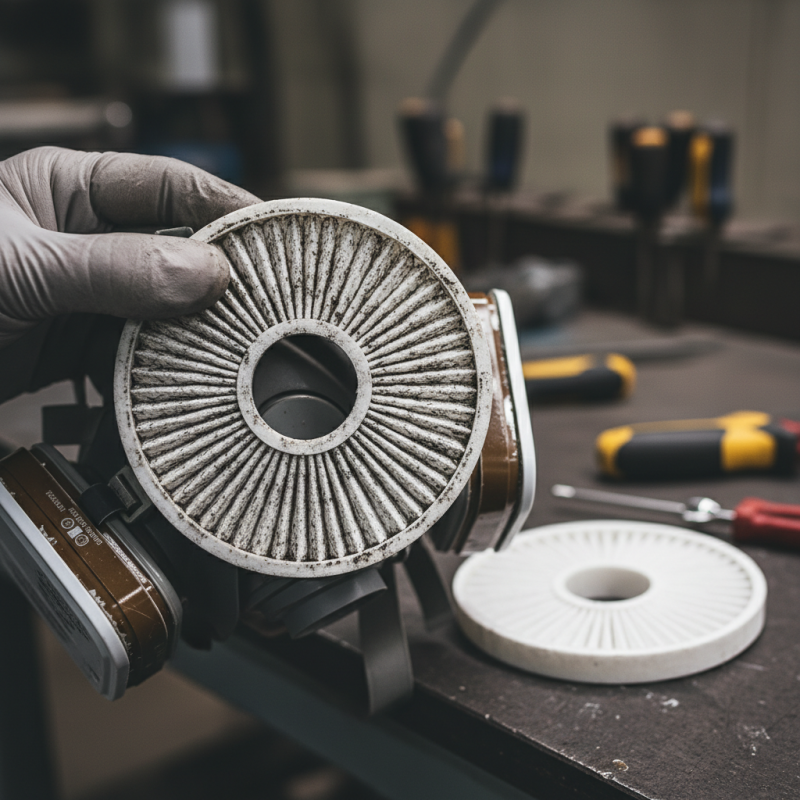
One key indicator that a filter needs replacement is a noticeable increase in breathing resistance. According to a study by the National Institute for Occupational Safety and Health (NIOSH), this can indicate that the filter is clogged and losing efficiency. Additionally, if you notice a change in odor or taste of the air, it suggests breakthrough due to a saturated filter. Visual checks for discoloration or damage are also essential; any visible wear could compromise the filter's integrity.

Tips: Always keep a record of your filter usage and replacement dates. Consider setting calendar reminders for routine checks. In challenging environments, replace filters more frequently, even if they don't show visible signs of damage. Remember, your safety is paramount. Pushing the limits of a filter's life can lead to unnecessary risks, so don’t hesitate to err on the side of caution.

Best Practices for Filter Maintenance and Replacement

Maintaining a respirator filter is crucial for ensuring optimal protection. Regular checks are essential to assess the filter's condition. Ideally, you should inspect the filter routinely, especially after heavy use. Look for signs of damage or discoloration. Filters that appear dirty or have tears may not provide adequate protection.

Timing your filter replacement can also be tricky. If you frequently work in conditions with high levels of dust or chemicals, be more vigilant. A good rule is to replace filters after a specific usage period, often indicated in guidelines. If you use your respirator daily, consider changing filters weekly.

Sometimes, it may be easy to overlook the filter. Undetected defects can lead to serious risks. Regular training can help reinforce the importance of filter maintenance. Moreover, remember that your health matters more than convenience. Don’t wait until a filter fails to take action. Reflect on your practices; are you as diligent as you should be?

Guidelines for Safe Disposal of Used Respirator Filters

Respirator filters play a crucial role in maintaining respiratory safety in various environments. Once filters are used, they lose effectiveness. Knowing when and how to dispose of them safely is essential. Filters should be discarded when they are visibly dirty, damaged, or after a certain usage period. Regular inspections can help identify these issues.

Disposing of used respirator filters requires careful consideration. Many filters contain materials that can be harmful to the environment. Proper disposal methods often involve placing them in sealed bags. This prevents any particles from escaping into the environment. In some regions, specialized disposal services are available. Always check local regulations regarding hazardous waste. Ensuring safe disposal protects not just your health but also that of the community.

Reflecting on your usage habits is vital. Are you changing filters as frequently as you should? Keeping track can be challenging. Consider setting reminders to ensure timely replacements. Awareness of proper disposal procedures is equally important. It’s not just about caring for your health; it’s about being a responsible member of your community.

FAQS

: How often should respirator filters be replaced?

: Filters should be replaced based on exposure to contaminants. High pollution levels may require changes within days.

What environmental factors affect filter lifespan?

Humidity and temperature play crucial roles. High moisture can clog filters and reduce their efficiency significantly.

What are common signs that a filter needs replacing?

Increased breathing resistance is a key sign. Changes in odor or taste suggest the filter may be saturated.

How can I visually inspect a filter for damage?

Look for discoloration or visible tears. Any wear can compromise its integrity and effectiveness.

What should I do if a filter shows no visible signs of wear?

Regular monitoring is essential. Keep a record of usage and set reminders for routine checks.

How should I dispose of used respirator filters?

Place them in sealed bags to prevent particle escape. Follow local regulations for hazardous waste disposal.

Why is proper training important for filter replacement?

Training develops an intuitive sense for recognizing when filters are inadequate, which aids in respiratory protection.

Can pushing filter replacement limits be risky?

Yes, using filters beyond their limit can expose you to health hazards. Erring on the side of caution is wise.

What are the community implications of improper disposal?

Improper disposal can harm the environment. Being responsible protects both your health and that of the community.

Conclusion

Respirator filters play a crucial role in providing protection against airborne contaminants, making it essential to know when to replace a respirator filter for optimal performance. Factors such as the type of environment, duration of use, and exposure to specific contaminants greatly influence how often filters should be changed. Users must be vigilant for signs indicating that a filter needs replacement, including noticeable difficulty in breathing, changes in airflow, or visual damage to the filter material.

To ensure the longevity and effectiveness of respirator filters, best practices for maintenance and replacement should be followed. This includes regular inspections and adhering to guidelines for the safe disposal of used filters to minimize environmental impact. By understanding these aspects, users can maintain their respiratory protection systems effectively and stay safe in their working environments.

Liam

Liam

Liam is a dedicated marketing professional with a profound expertise in the industry, where he excels at highlighting the unique advantages of our core products. With a keen understanding of market trends and consumer needs, Liam frequently updates our company’s professional blog, providing......