How Long Do Surgical Masks Last for Global Buyers?

Time:2026-09-24 Author:Amelia
0%

For global buyers, surgical mask shelf life affects purchasing, storage, compliance, and patient safety. The question often appears during supplier audits: “what is the shelf life of surgical masks?” In many cases, manufacturers state three to five years from the production date. However, this period is not universal. It depends on the mask design, packaging, materials, sterilization status, and tested performance.

A reliable buyer should inspect the original box, expiration date, lot number, and manufacturer instructions. Do not rely only on a supplier’s email. A clear package, dry warehouse, and stable temperature can help preserve mask quality. Heat, moisture, dust, and damaged cartons may create problems before the printed date arrives. Small details matter.

Real procurement experience also shows an uncomfortable limitation: an expiration date cannot prove perfect protection. It only reflects validated storage conditions and tested product performance. Buyers should request certificates, technical data sheets, test reports, and traceability records from reputable manufacturers. Requirements may also differ between countries and healthcare settings, so local authorities and facility policies deserve attention.

A simple answer can be misleading.

This article explains how long surgical masks may remain suitable for global purchasing decisions. It examines shelf-life labels, storage practices, packaging risks, supplier verification, and practical inspection steps. Some assumptions may need reconsideration, especially when masks have been transported through humid ports or stored in overheated warehouses. Careful evaluation is more dependable than choosing the lowest price or the newest production batch.
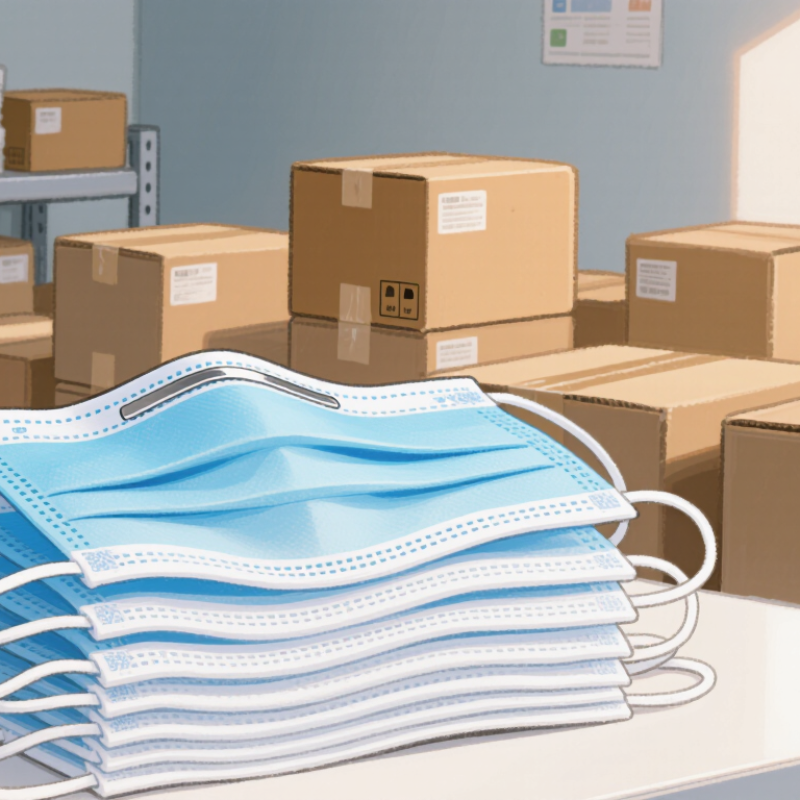
How Long Do Surgical Masks Last for Global Buyers?

What “Lasts” Means: Wear Time Versus a Mask’s Labeled Shelf Life

A surgical mask’s “life” can mean two different things: how long it is worn in one sitting, or how long it remains usable in storage. These are not interchangeable. A mask kept sealed in its original packaging may have a labeled shelf life, while a mask worn on a commute faces moisture, skin oils, and repeated handling. That is different.

For wear time, follow the mask’s instructions and workplace guidance where applicable. Replace it sooner if it becomes damp, visibly dirty, damaged, or harder to breathe through. A loose ear loop or crushed nose strip can also affect fit. Do not assume a mask is suitable for another day just because it looks clean. Not the same.

The labeled shelf life applies to an unused mask stored as directed, not to one that has already been worn. Heat, humidity, sunlight, and damaged packaging may affect materials over time. Check the date and storage notes on the package, and inspect the mask before use. If packaging is torn or the mask has changed in appearance, seek guidance from the supplier or manufacturer. Small details matter. It is easy to treat an expiration date as a wear-time rule; in practice, they answer different questions.

Why Surgical Masks Are Single-Use Despite 3–5-Year Shelf-Life Labels

How Long Do Surgical Masks Last for Global Buyers?

Why Surgical Masks Are Single-Use Despite 3–5-Year Shelf-Life Labels

A 3–5-year shelf-life label applies to unopened masks stored under stated conditions. It does not mean one mask can be worn for years. The U.S. FDA describes surgical masks as disposable and generally loose-fitting medical devices. They protect against droplets and splashes, but they do not create a tight facial seal. Different job.

During wearing, moisture, cosmetics, skin oils, and handling can soil the mask. These factors may affect comfort and protective performance. CDC infection-control guidance advises discarding a mask after use, or sooner if it becomes wet, damaged, or difficult to breathe through. ASTM F2100 evaluates key properties, including bacterial filtration, submicron particle filtration, fluid resistance, and breathing resistance. These tests support product quality. They do not authorize routine reuse.

How EN 14683’s 95% and 98% BFE Thresholds Classify Mask Performance

EN 14683 uses bacterial filtration efficiency (BFE) to distinguish surgical mask types. Type I masks must reach at least 95% BFE, while Type II masks must reach at least 98%. Type IIR masks also require at least 98% BFE, plus resistance to splashes. That extra test matters in settings where droplets may strike the mask. The figures come from standardized laboratory testing. They do not guarantee the same protection in every real-world situation.

A mask’s service life is not determined by its BFE percentage. Surgical masks are generally designed for single use, and should be changed if they become damp, visibly soiled, damaged, or difficult to breathe through. A dry mask can still lose its fit after repeated handling. Small gaps near the nose or cheeks may let air bypass the filtering material. It is tempting to treat 98% as a complete safety score, but BFE alone does not describe fit, fluid resistance, or every exposure.

Tips: For buyers, check the stated EN 14683 type and the test documentation, not just a large percentage on packaging. Store masks in a clean, dry place, and avoid reusing a mask simply because it looks intact. A neat label helps. Fit still matters.

How Heat, Moisture, and Packaging Damage Can Shorten Shelf Life

How Long Do Surgical Masks Last for Global Buyers?

A surgical mask’s shelf life is not a universal number. Check the date and storage instructions printed on its package; ASTM F2100-23 sets performance criteria, not one expiry period for every mask. Its criteria include bacterial filtration efficiency of at least 95% for the listed mask levels, but that figure applies to testing—not to a damp or damaged mask in a warehouse. Heat can deform mask layers or weaken elastic, while moisture may affect filtration materials and encourage packaging deterioration. A crushed carton, a torn pouch, or a loose seal can expose masks to dust and humidity. Small damage matters.

Tips: Store cartons in a cool, dry place, away from sunlight, heaters, and wet floors. Keep masks in their original sealed packaging, rotate stock by expiry date, and inspect pouches before use. Reject masks with dampness, stains, odors, broken seals, or brittle straps.

One limitation deserves attention: storage history is often hard to verify across long supply chains. ASTM performance data cannot confirm how a specific shipment was handled. Buyers should request the manufacturer’s shelf-life documentation and record warehouse temperature and humidity. That may feel excessive. It is still more reliable than judging shelf life by appearance alone.

How Long Do Surgical Masks Last for Global Buyers?

How heat, moisture, and packaging damage can affect shelf life

This qualitative comparison is not a measured shelf-life study: there is no universal number of months by which these factors shorten mask life. Follow the manufacturer’s stated expiry date and storage instructions. Heat and moisture can affect materials, while damaged packaging can compromise the product’s protection from contamination. Do not use masks past their labeled expiry date or with compromised packaging.

What Global Buyers Should Check: Expiry Dates, Lots, and Local Rules

For global buyers, a surgical mask’s usable life depends on its labeled expiry date and storage history, not a universal rule. Check that the date is printed on both the box and inner packaging, and ask how heat and humidity were controlled in storage. A damp carton or faded label deserves a closer look.

The World Health Organization estimated that 89 million medical masks were needed monthly for the COVID-19 response in 2020. That demand made reliable lot tracking especially important. It still matters.

Record each lot number, manufacturing date, expiry date, and supplier document against the shipment. Match the certificate of analysis to the exact product and lot; a generic certificate may not prove what is in the carton. ASTM F2100-23 sets performance requirements for medical face masks, including bacterial filtration and fluid resistance. But a performance standard does not replace local purchasing or labeling rules. Confirm which standard and documents the destination market accepts, and check whether its rules require specific language, registration, or importer records. Requirements differ. Paperwork can be untidy, and a date alone cannot verify storage conditions. If a shipment arrives with mismatched lot numbers, ask for clarification before releasing it for use.

FAQS

Does a mask’s shelf life tell me how long I can wear it?

No. Shelf life applies to an unused mask stored as directed. Wear time is different.

Can I wear a surgical mask again the next day?

These masks are generally intended for single use. Discard one after use, or sooner if it becomes wet, dirty, damaged, or hard to breathe through. It may still look clean.

How long can an unopened mask remain usable?

Check the package date and storage instructions. Some labels state three to five years, but shelf life varies by product and conditions.

What signs mean I should replace a mask?

Replace it if it is damp, visibly soiled, torn, or difficult to breathe through. A loose ear loop or bent nose strip can affect fit.

Can heat or humidity shorten shelf life?

Yes. Heat, moisture, and sunlight may affect mask materials or packaging. Store cartons in a cool, dry place, away from heaters and wet floors.

What should I do with torn or unsealed packaging?

Do not assume the mask is protected. Set it aside and seek guidance from the supplier or manufacturer.

Does a clean appearance prove a mask is safe to reuse?

No. Some contamination is invisible, and appearance alone cannot confirm performance. Easy to miss.

What should buyers check when receiving a shipment?

Review expiry dates, sealed pouches, and storage records. Ask for test reports that match the stated mask level. Long supply chains can make storage history hard to verify.

Conclusion

The question “what is the shelf life of surgical masks” is different from how long a mask should be worn. Surgical masks are designed for single use, so a printed shelf-life period—often around three to five years for an unopened product—does not mean the mask can be reused for that length of time. Wear time depends on the product instructions and conditions of use; a mask should be replaced if it becomes damp, damaged, or soiled.

Performance classifications also matter. Under EN 14683, Type I masks have a bacterial filtration efficiency of at least 95%, while Type II and Type IIR masks meet a threshold of at least 98%. Heat, moisture, sunlight, and damaged or unsealed packaging may affect a mask’s condition before its labeled expiry date. Global buyers should check expiry dates, lot numbers, packaging integrity, applicable documentation, and local requirements before accepting or distributing stock.

Amelia

Amelia

Amelia is a seasoned marketing professional with a wealth of expertise in our company’s core offerings. With an unwavering passion for driving growth and innovation, she plays a pivotal role in shaping our marketing strategies and enhancing brand visibility. A key aspect of her responsibilities......