The COVID-19 pandemic has significantly increased the use of medical waste masks worldwide. According to the World Health Organization, millions of masks are used daily, leading to challenges in safe disposal. Understanding how to dispose of medical waste masks safely is essential. Improper disposal can lead to environmental contamination and health risks.
Healthcare facilities are under pressure to manage this waste effectively. A report from the European Commission highlights that around 1.6 billion masks could end up in the ocean by 2025 if current practices do not change. Public awareness of the impact is growing, but many still lack knowledge about safe disposal methods.
Finding reliable information on this topic is crucial. Professionals in the medical waste management field emphasize that improper disposal can harm both public health and the environment. Awareness campaigns and clear guidelines can help improve practices. As we explore the top ten ways to dispose of medical waste masks safely, it becomes clear that collective efforts are necessary to ensure a safer future.
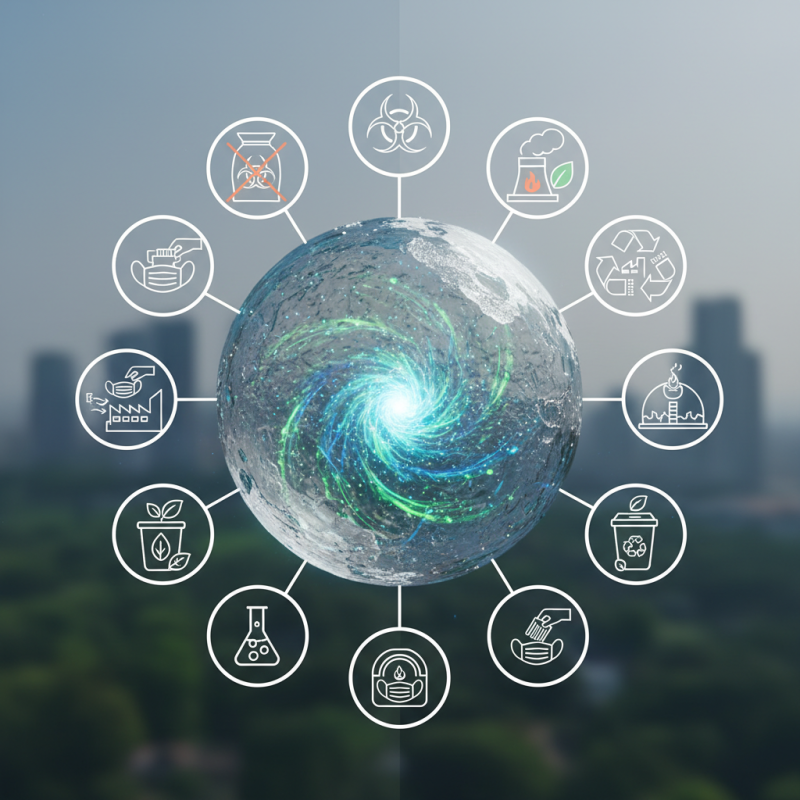
Medical waste masks are a significant environmental concern. The World Health Organization (WHO) reported that the COVID-19 pandemic generated an additional 87,000 tons of medical waste globally. Masks, gloves, and other personal protective equipment (PPE) contribute heavily to this figure. Improper disposal of these items can lead to pollution and health hazards. Many masks are made from non-biodegradable materials, which can persist in the environment for hundreds of years.
Research from various environmental organizations has shown that disposable masks can release microplastics into oceans and soil. These microplastics can harm marine life and disrupt ecosystems. A study by the Ellen MacArthur Foundation noted that by 2050, there could be more plastic than fish in the ocean. This alarming projection emphasizes the urgent need for responsible disposal methods.
Current practices are inconsistent. Some areas still allow masks to be discarded in regular trash, while others have established specialized collection systems. Most people do not understand the right way to discard medical masks. A lack of awareness can lead to health risks and environmental degradation. It calls for more focused education on proper disposal methods to mitigate these negative impacts.
: Proper disposal prevents health risks. Masks can carry pathogens if not handled correctly.
Masks must be placed in designated medical waste containers. This prevents contamination.
A common mistake is throwing masks in regular trash. This can lead to serious health consequences.
Facilities should provide regular training sessions. Frequent reminders reinforce the importance of safe practices.
Community programs can educate residents. Public awareness leads to better compliance with disposal guidelines.
Double-bagging adds an extra layer of protection. It minimizes exposure risks during disposal.
Use color-coded bins to distinguish between medical waste and general waste. This reduces confusion.
Create an environment where reporting mistakes is encouraged. Accountability helps improve disposal systems.
Disposal processes should be reviewed regularly. Identifying mistakes can lead to better waste management solutions.
Teamwork fosters a culture of reliability. Sharing experiences enhances problem-solving for waste management challenges.
The article "Top 10 Ways to Dispose of Medical Waste Masks Safely" emphasizes the importance of understanding the environmental impact of medical waste masks. It begins by outlining regulatory guidelines essential for the safe disposal of these items, ensuring compliance with health standards. The article explains effective methods for sorting and segregating used masks, which is crucial for minimizing contamination and facilitating proper disposal.
Moreover, it highlights best practices for sterilizing masks before disposal, increasing safety for waste management personnel and the environment. The discussion also includes sustainable alternatives to traditional disposal methods, promoting a more eco-friendly approach to managing medical waste. Ultimately, the article serves as a comprehensive guide on how to dispose of medical waste masks safely, reinforcing the need for responsible handling of hazardous materials in healthcare settings.

 Tobe Health